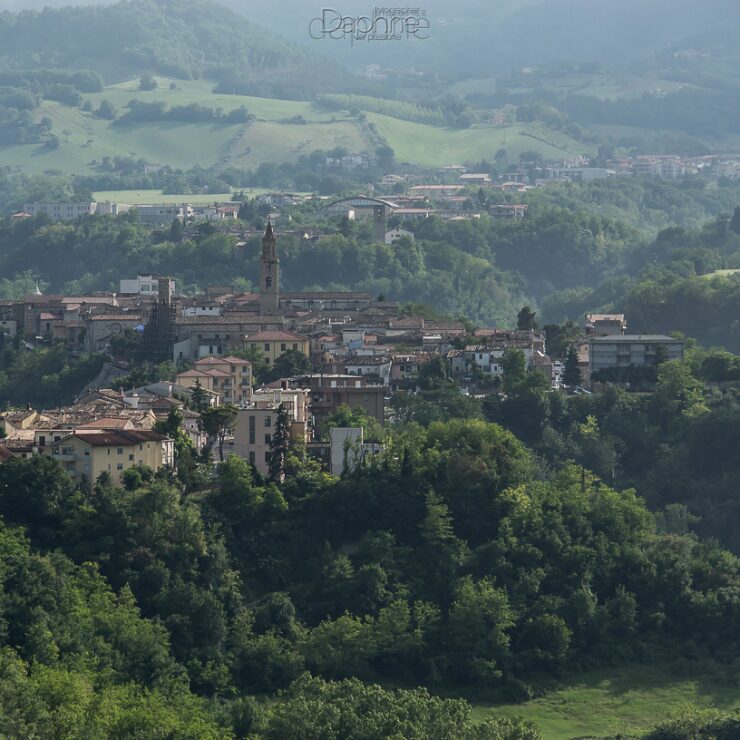
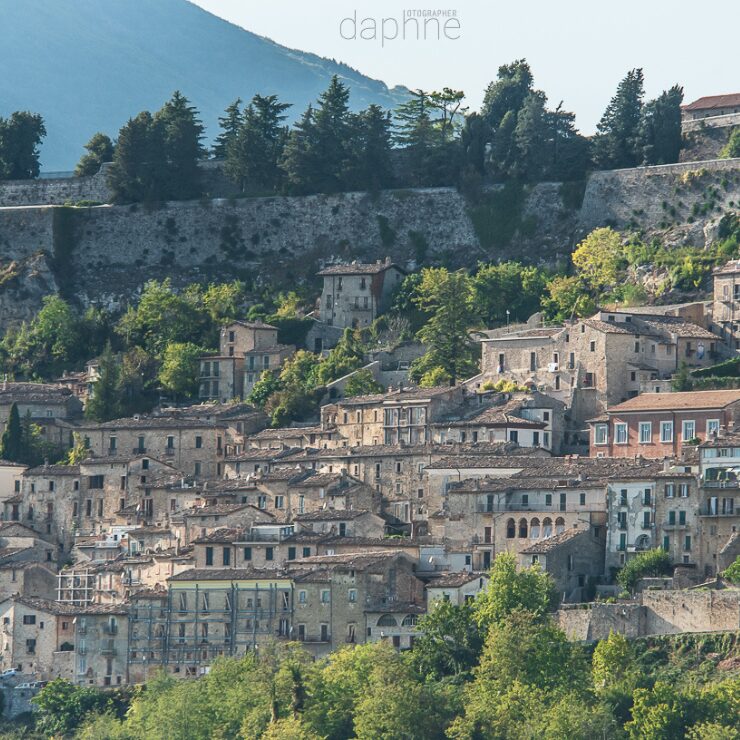
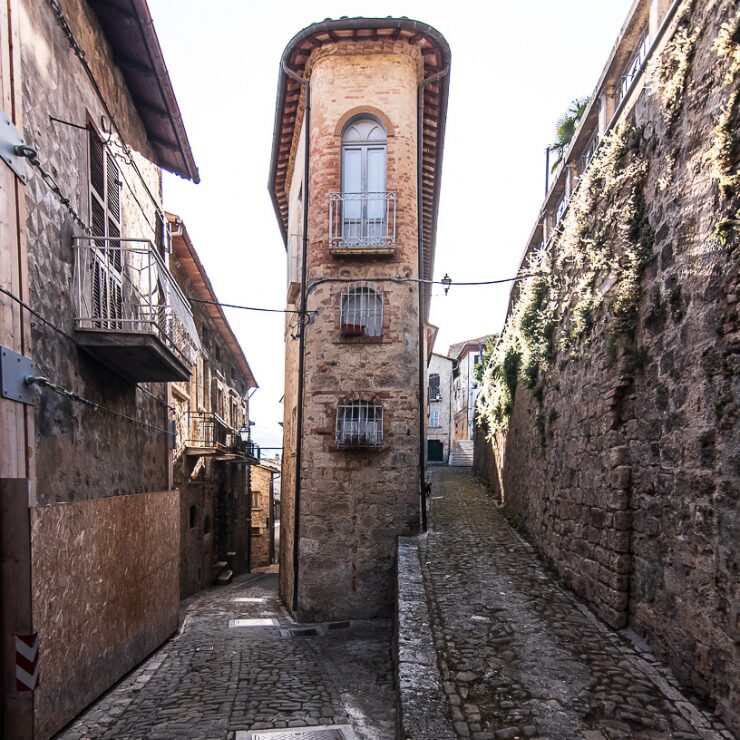
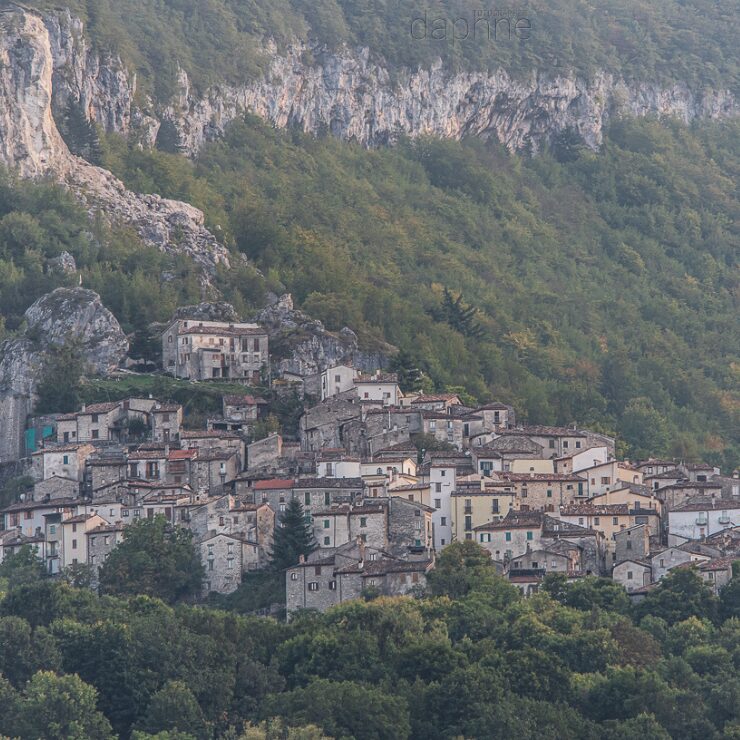
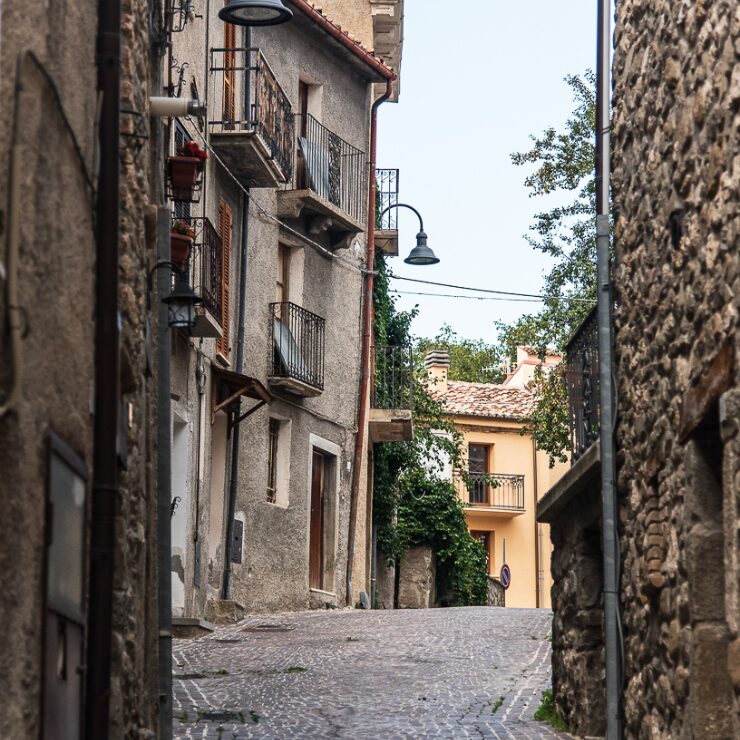
Teramo is the northernmost of Abruzzo’s four provinces, positioned between the highest peaks of the Apennines and the Adriatic Sea. From its centre you can reach the coast in one direction and the Gran Sasso in the other, often within the same hour.
Of the more than 40 towns under the jurisdiction of Teramo, four have been certified by I Borghi Più Belli d’Italia: Campli, Castelli, Civitella del Tronto and Pietracamela. All four sit within the territory of the Parco Nazionale del Gran Sasso e Monti della Laga, one of the most important protected areas in Italy.
Campli: Medieval Markets, Sacred Staircases and the Best Porchetta in Italy
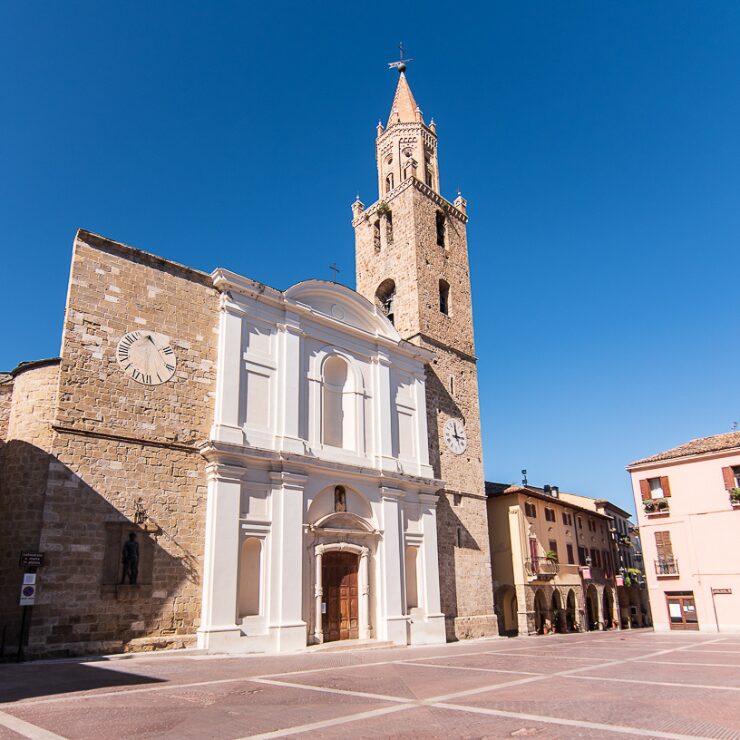
Campli is a town that has preserved its medieval mercantile character more completely than almost anywhere else in Abruzzo. Walking through the historic centre, you pass the House of the Pharmacist, the House of the Doctor and the Palazzo del Parlamento, also known as the Farnese Palace, considered the oldest civic building in the entire region.
In 1772, Campli was granted the privilege of erecting the Santuario della Scala Santa, one of the most remarkable places of worship in Italy. The sanctuary represents the staircase walked by Jesus before his interrogation by Pontius Pilate. It is made up of 28 steps symbolising the passion, death and resurrection of Christ, adorned with frescoes by the Teramanian artist Vincenzo Baldati. Those who wish to obtain the Plenary Indulgence must climb all 28 steps on their knees.
Campli is also home to the oldest gastronomic festival in Abruzzo: the Sagra della Porchetta Italica, held every year in the week after Ferragosto. Since 1964, the award for the best porchetta of the year has been given here. The authenticity of porchetta italica rests in the cooking method and the seasoning of the meat — a tradition that has not changed in over sixty years.
How to get there: The most convenient way is by private vehicle (approximately 30 minutes from Teramo). Bus services are available with limited frequency.
Castelli: The Sistine Chapel of Maiolica and the Roof of the Apennines
Castelli is one of the most distinctive borghi in Abruzzo, and arguably in all of Italy. It is known above all for its extraordinary ceramic tradition, producing a type of painted pottery known as Maiolica that has made this small town famous across Europe for centuries.
The Church of San Donato has been called the Sistine Chapel of Maiolica, and the comparison is not an exaggeration. Its ceiling, completed between 1615 and 1617, is entirely covered in Maiolica tiles — an extraordinary feat of artisan craftsmanship that has survived intact for over four centuries. The Museum of Ceramics, located in the Convent of the Frati Minori Osservanti, is an essential visit for anyone interested in Italian decorative arts.
Beyond its ceramics, Castelli is also the starting point for some of the most demanding excursions in the region. Mount Camicia, at 2,750 metres the second-highest peak in the entire Apennine chain, begins here. So does the route to Campo Imperatore, the vast highland plateau known as the Little Tibet of Italy.
The local food tradition is equally strong: porchetta and turkey alla canzanese are the dishes to look for.
How to get there: The most convenient way is by private vehicle (approximately 45 minutes from Teramo).
Civitella del Tronto: The Fortress That Never Surrendered
Civitella del Tronto is one of the most extraordinary towns in all of Italy. Its fortress, built 600 metres above sea level with an area of around 25,000 square metres, is one of the largest works of military engineering in Europe.
It was the last stronghold of the Kingdom of the Two Sicilies to fall in 1861, two weeks after Rome itself had already surrendered. That stubborn, heroic resistance is part of the town’s DNA. The narrow streets of the historic centre, carved into the rock, are so tight that one of them — the Ruetta d’Italia — at just 66 centimetres wide, is considered the narrowest street in Italy.
The historic centre, the walls and the fortress are the main points of interest. The view from the walls over the Tronto valley and the Apennines is extraordinary.
How to get there: The most convenient way is by private vehicle (approximately 20 minutes from Teramo).
Pietracamela: Suspended in Time at the Foot of the Gran Sasso
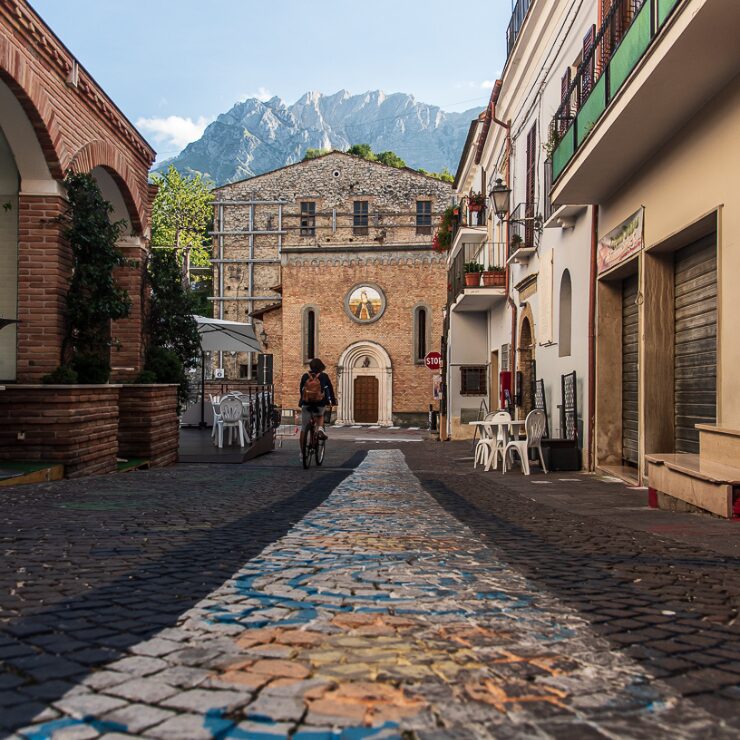
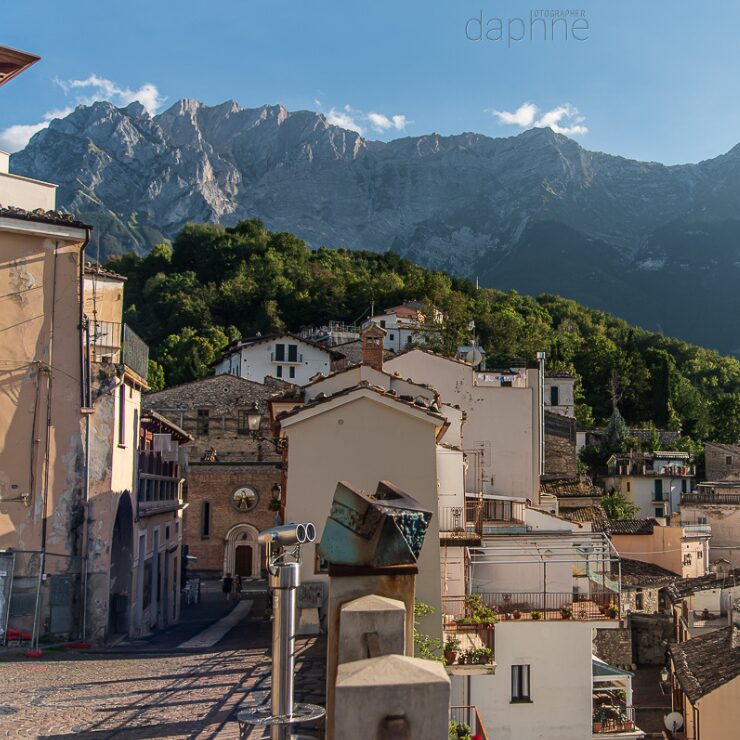
Pietracamela is a place that requires a different kind of attention. There are no grand monuments, no famous museums, no festivals that draw crowds. What Pietracamela offers is something harder to find: genuine stillness.
Many of its inhabitants have moved away over the decades, and the narrow streets have retained exactly the structure they had centuries ago. The view over the Gran Sasso from the village is extraordinary. The air is clean in a way that cities have forgotten. It is, without exaggeration, one of the best places in Abruzzo to simply stop and breathe.
For the more active visitor, Pietracamela is also an excellent base for excursions. The trails leading to the sources of the Arno River, the Madonnina del Gran Sasso, the Rifugio Franchetti and the Prati di Tivo ski resort all begin nearby. In winter, the area transforms into one of the most accessible ski destinations in central Italy.
How to get there: The most convenient way is by private vehicle (approximately 40 minutes from Teramo).
FAQ
What are the most beautiful villages near Teramo?
The four borghi certified by I Borghi Più Belli d’Italia in the province of Teramo are Campli, Castelli, Civitella del Tronto and Pietracamela. All four sit within the Parco Nazionale del Gran Sasso e Monti della Laga and offer completely different experiences: medieval history at Campli, ceramics at Castelli, military heritage at Civitella del Tronto, and mountain stillness at Pietracamela.
What is Civitella del Tronto known for?
Civitella del Tronto is known for its extraordinary fortress, one of the largest works of military engineering in Europe. Built 600 metres above sea level with an area of around 25,000 square metres, it was the last stronghold of the Kingdom of the Two Sicilies to fall in 1861. The town is also home to the narrowest street in Italy, just 66 centimetres wide.
What is Castelli famous for?
Castelli is famous for its Maiolica ceramic tradition, one of the most important in Italy. The Church of San Donato, known as the Sistine Chapel of Maiolica, features a ceiling entirely covered in hand-painted ceramic tiles completed between 1615 and 1617. The Museum of Ceramics houses a significant collection of historic and contemporary pieces.
Is Pietracamela worth visiting?
Yes, particularly for travellers looking for an authentic mountain experience away from tourist crowds. Pietracamela offers stunning views of the Gran Sasso, medieval streets preserved exactly as they were centuries ago, and access to excellent trekking and ski routes. It is one of the most genuinely peaceful places in Abruzzo.
What is the narrowest street in Italy?
The narrowest street in Italy is generally considered to be the Ruetta d’Italia in Civitella del Tronto, in the province of Teramo, Abruzzo. It measures just 66 centimetres wide and was built deliberately narrow to slow down potential invaders.
What is the best time to visit the villages of Teramo?
Spring and autumn are ideal for most visits. Pietracamela and Castelli are also worth visiting in winter for skiing and snow landscapes. Campli is best visited in August for the Sagra della Porchetta Italica, the oldest gastronomic festival in Abruzzo.
Practical information
Campli: 30 min from Teramo by car
Castelli: 45 min from Teramo by car
Civitella del Tronto: 20 min from Teramo by car
Pietracamela: 40 min from Teramo by car
All four borghi are within the Parco Nazionale del Gran Sasso e Monti della Laga