If you have already explored the province of Pescara, the next step is Chieti. The province of Chieti is home to four borghi certified by I Borghi Più Belli d’Italia, each with its own distinct character: a coastal village steps from the sea, a city of stone and goldsmiths, a hilltop town with a castle, and a medieval village perched on the slopes of the Maiella where wolves still roam.
These are not places you find on standard Italian itineraries. They are places you discover when you go looking for the real Abruzzo.
Rocca San Giovanni: The Village That Has Everything
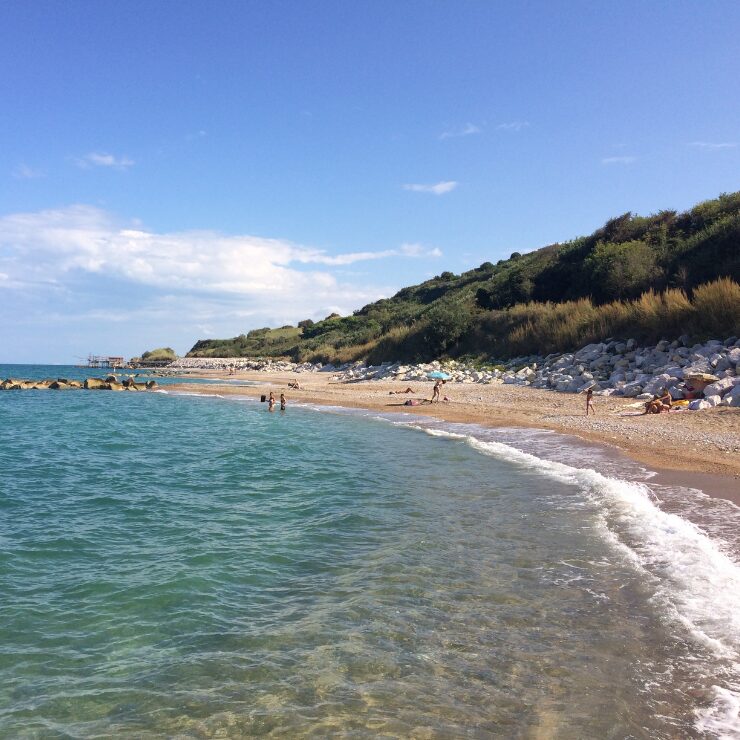
Rocca San Giovanni sits 155 metres above sea level, just a few minutes from the beaches of the Costa dei Trabocchi. It is one of the few borghi in Abruzzo where you can be in a medieval hilltop village in the morning and on one of the most beautiful stretches of Adriatic coastline in the afternoon.
The central square, the Church of San Matteo Apostolo, the panoramic terrace and its narrow alleys are the highlights of the historic centre. The terrace alone, with its views stretching across the Adriatic, is worth the visit.
Nearby you will find La Foce beach, Trabocco Punta Cavalluccio on the Costa dei Trabocchi, the Abbey of San Giovanni in Venere and the Promontorio D’Annunziano. Rocca San Giovanni is also known as a wine village, with a long tradition of Montepulciano d’Abruzzo and Trebbiano d’Abruzzo production.
How to get there: The most convenient way is by private vehicle (approximately 45 minutes from Chieti). Limited bus services are available.
Guardiagrele: The City of Stone at the Gateway to the Maiella
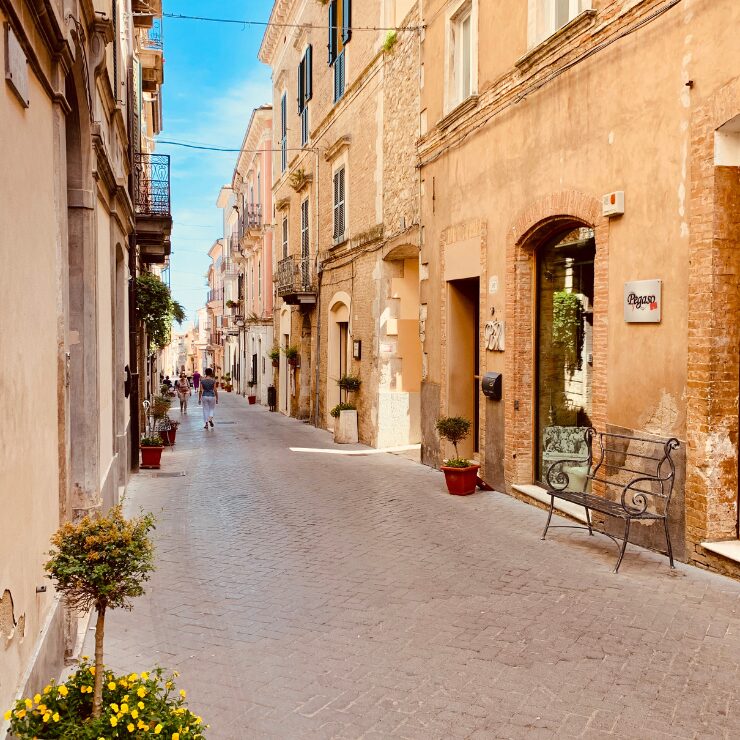
Guardiagrele is one of those places that rewards the curious traveller. Known as the “city of stone”, a title immortalised by the poet Gabriele D’Annunzio in his work The Triumph of Death, it sits at the foot of the Maiella and has been a centre of craftsmanship for centuries.
It was here that the school of Nicola di Guardiagrele emerged, one of the most important Italian goldsmiths and painters of the 15th century. That tradition of careful, precise craft is still visible in the town today.
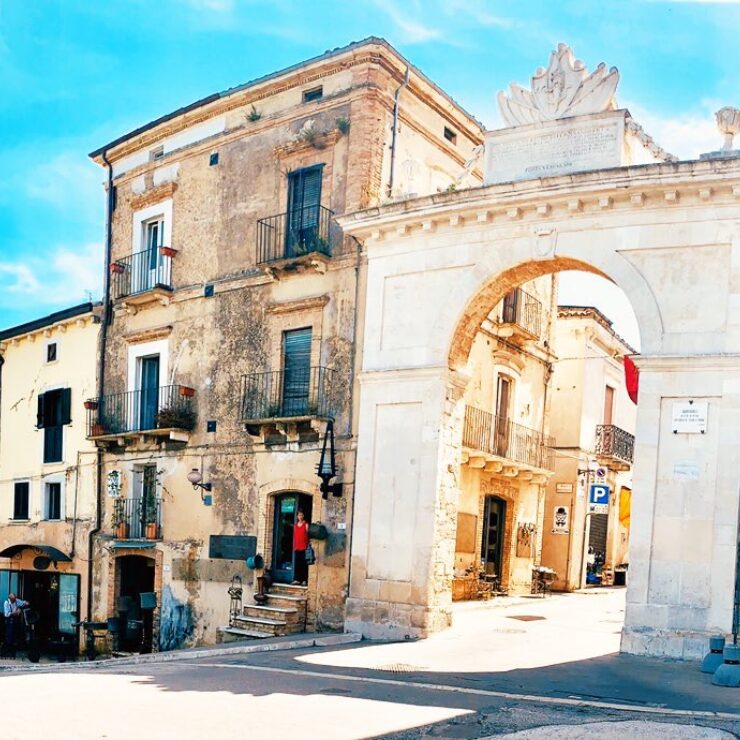
The Church of Santa Maria Maggiore, the Duomo Museum and the historic centre are the main points of interest. The surrounding landscape, with the Maiella rising immediately behind the town, makes the drive in and out of Guardiagrele genuinely spectacular.
How to get there: The most convenient way is by private vehicle (approximately 20 minutes from Chieti).
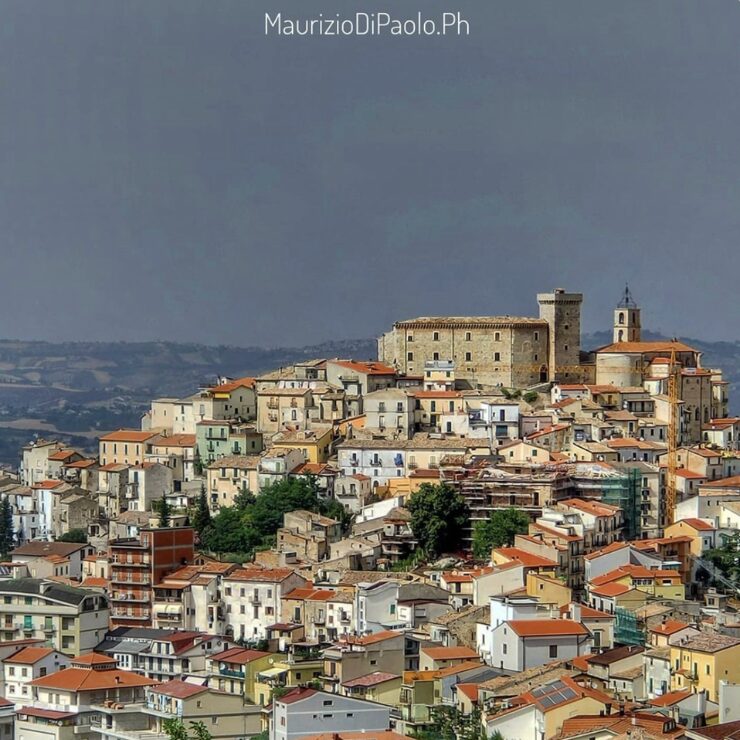
Casoli: A Hilltop Castle Above the River Aventino
Casoli was more recently admitted to the club of I Borghi Più Belli d’Italia, but it has been worth the wait. The village is built on one of the many hills that characterise the inland landscape of Chieti province, overlooking the Aventino river.
The Castello Ducale, also known as Castello Masciantonio, dominates the entire hilltop and is the defining image of Casoli. Not far away, the lakes of Sant’Angelo and Serranella are worth visiting for their natural beauty and tranquillity.
The local food tradition is strong: mela piana, agnello alla casolana (lamb cooked in the Casoli style) and porchetta casolana are the dishes you will find in the restaurants and agriturismi of the area.
How to get there: The most convenient way is by private vehicle (approximately 35 minutes from Chieti).
Photo credit: @dipaolomaurizio
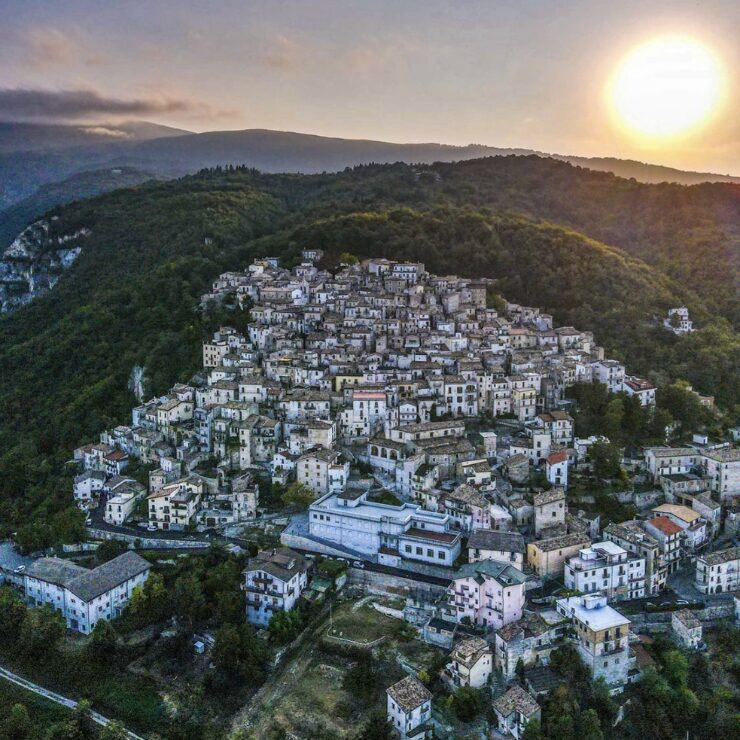
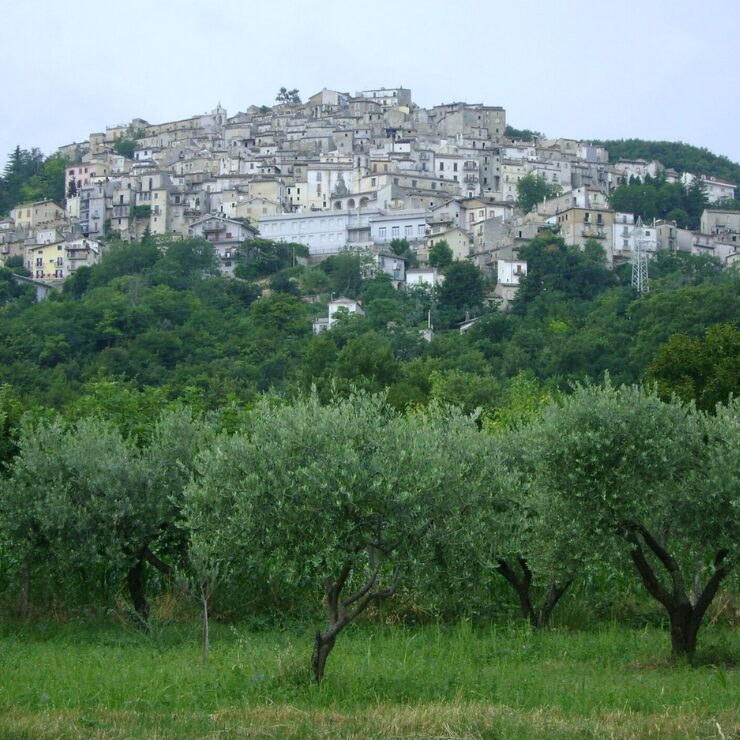
Pretoro: The Village of the Wolf on the Slopes of the Maiella
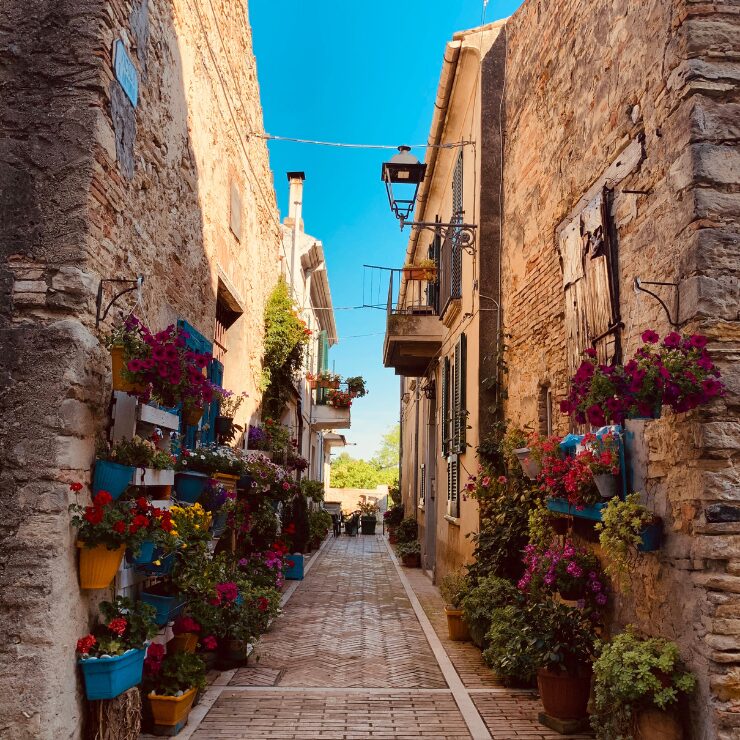
Pretoro is unlike any other borgo in Abruzzo. Built in tiers on the steep eastern slopes of the Maiella at around 560 metres above sea level, its stone houses are stacked so closely together that from a distance the village appears to be a natural extension of the rock itself.
Its origins date back to before Christ, when it was known as Castrum Praeturis, a military watchtower overlooking the valley. The current borgo was built around 1600 after the destruction of the original castle. It is known as the village of the “fusari”, the woodcarvers who for centuries crafted spindles for wool spinning, a tradition that still survives in a handful of artisan workshops today.
The wolf is the symbol of Pretoro. Just 2 km from the centre, the Area Faunistica del Lupo is home to Apennine wolves living in a natural habitat. The festival of San Domenico, celebrated every year in May, includes a centuries-old ritual of the serpari, the snake handlers, one of the most unusual and fascinating traditions in all of Abruzzo.
The Church of Sant’Andrea Apostolo at the top of the borgo, the Church of San Nicola, and the Sanctuary of the Madonna della Mazza are the main religious monuments. The local speciality is the Torta del Lupo, a chocolate cake made with Montepulciano d’Abruzzo wine.
Pretoro is also just 20 minutes from the Passo Lanciano ski area, making it a year-round destination.
How to get there: The most convenient way is by private vehicle (approximately 45 minutes from Chieti).
Photo credit: @matteo_ciommi and Wikimedia Commons / CC BY 30
Crecchio: A Medieval Gem Between Mountains and Sea
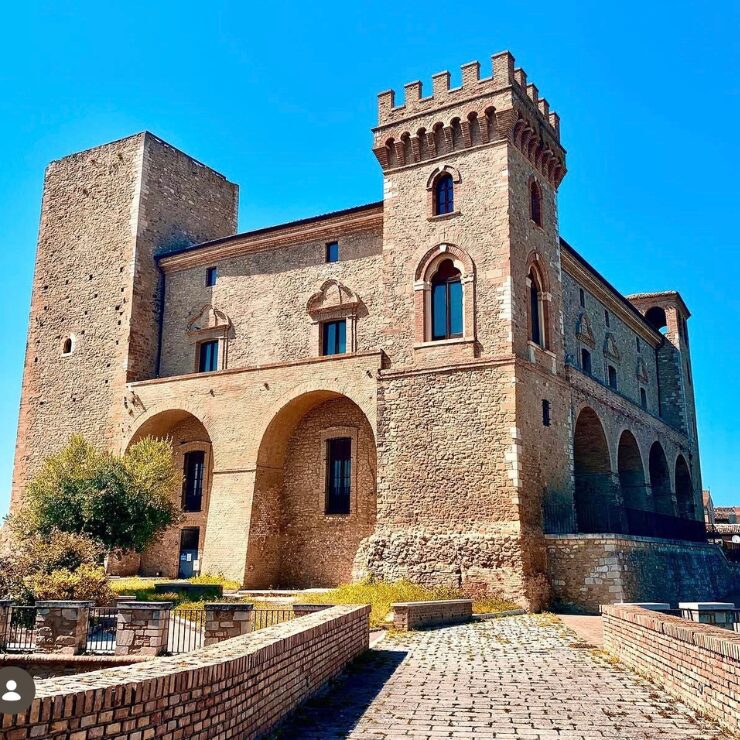
Tucked between the rolling hills of the Maiella and the Adriatic coastline, Crecchio is one of the most authentic villages in the province of Chieti, and a proud member of I Borghi più belli d’Italia. Known for its remarkably preserved medieval character, the village is built around the iconic Ducal Castle, a historic landmark that has witnessed centuries of transformation, from a defensive fortress to a noble residence and even a royal refuge during World War II.
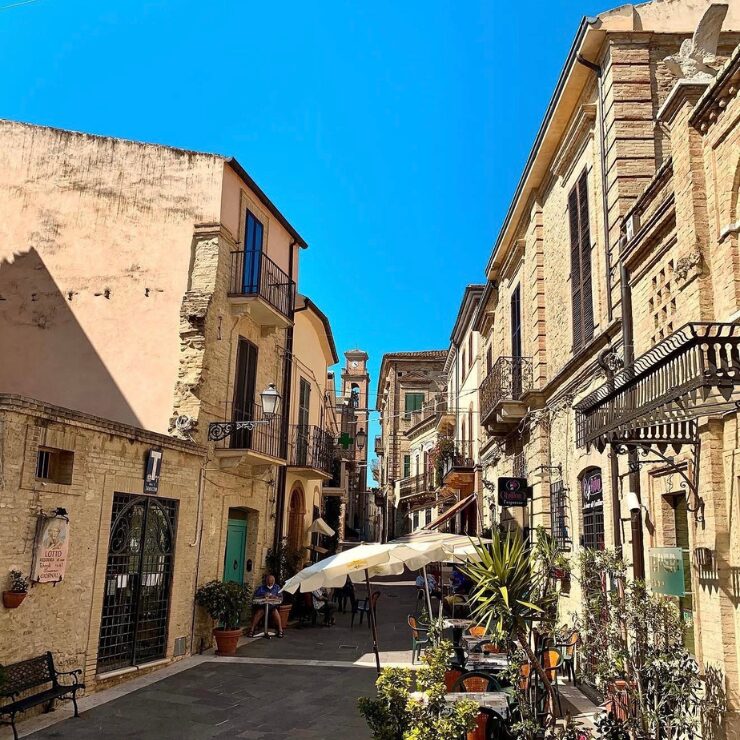
Wandering through Crecchio feels like stepping back in time. Narrow stone streets, quiet squares, and centuries-old churches reveal a deep cultural and artistic heritage shaped by Roman, Byzantine, and medieval influences.
But what makes Crecchio truly special is its location. Perched between vineyards, olive groves, and gentle valleys, it offers a rare combination: mountain views in one direction, and the Adriatic Sea in the other. This unique setting makes it one of the most scenic and underrated villages in Abruzzo, ideal for travelers looking for history, nature, and authenticity without the crowds.
FAQ
What are the most beautiful villages near Chieti?
The five borghi certified by I Borghi Più Belli d’Italia in the province of Chieti are Rocca San Giovanni, Guardiagrele, Casoli, Pretoro and Crecchio. Each offers a completely different experience: coastal scenery and wine at Rocca San Giovanni, stone craftsmanship at Guardiagrele, hilltop castle views at Casoli, and medieval mountain atmosphere at Pretoro.
What is Guardiagrele known for?
Guardiagrele is known as the city of stone and is famous for its centuries-old tradition of craftsmanship, particularly goldsmithing. It was the birthplace of Nicola di Guardiagrele, one of Italy’s most important medieval goldsmiths. The town sits at the gateway to the Maiella National Park, making it an ideal base for exploring the mountain.
What is special about Pretoro?
Pretoro is a medieval village perched on the slopes of the Maiella, known for its woodcarving tradition, its connection to the Apennine wolf, and the extraordinary festival of San Domenico featuring the serpari, the snake handlers. It sits within the Maiella National Park and is just 20 minutes from the Passo Lanciano ski area, making it unique among the borghi of Abruzzo.
What is Rocca San Giovanni known for?
Rocca San Giovanni is known for its exceptional location, combining a medieval hilltop historic centre with proximity to the Costa dei Trabocchi. It is also a wine village with a long tradition of Montepulciano d’Abruzzo production. Nearby attractions include Trabocco Punta Cavalluccio, the Abbey of San Giovanni in Venere, and the beaches of the Costa dei Trabocchi.
What is Crecchio known for?
Crecchio is known for its remarkably preserved medieval character and its iconic Ducal Castle, which served as a royal refuge during World War II. The village sits between the hills of the Maiella and the Adriatic coastline, offering mountain views in one direction and the sea in the other. It is one of the most scenic and underrated borghi in Abruzzo, shaped by Roman, Byzantine and medieval influences.
How do you get to the borghi of Chieti?
A private vehicle is the most convenient way to visit the borghi of the province of Chieti. Guardiagrele is approximately 20 minutes from Chieti city, Casoli around 35 minutes, and both Rocca San Giovanni and Pretoro around 45 minutes. Limited bus services exist but are not recommended for flexible touring.
What is the best time to visit the villages of Chieti?
Spring and autumn are ideal. Spring brings green landscapes and mild temperatures, while autumn offers harvest colours and local food festivals. Pretoro is also worth visiting in winter when the Passo Lanciano ski area is open and the village looks like a nativity scene covered in snow.