6 Must-See Places in Abruzzo for First-Time Visitors
September, 01st 2024
Abruzzo doesn’t reveal itself all at once. It opens slowly, place by place, until you realise you’ve fallen completely in love with it.
There are regions in Italy that everyone knows. And then there’s Abruzzo, which rewards the curious, the unhurried, and the willing to go slightly off the beaten path. In the years I’ve been exploring this region, six places have stayed with me more than any others. These are not recommendations from a guidebook. They’re places I’ve visited with my wife, my parents, my closest friends, and in some cases, all of them together.
Santo Stefano di Sessanio
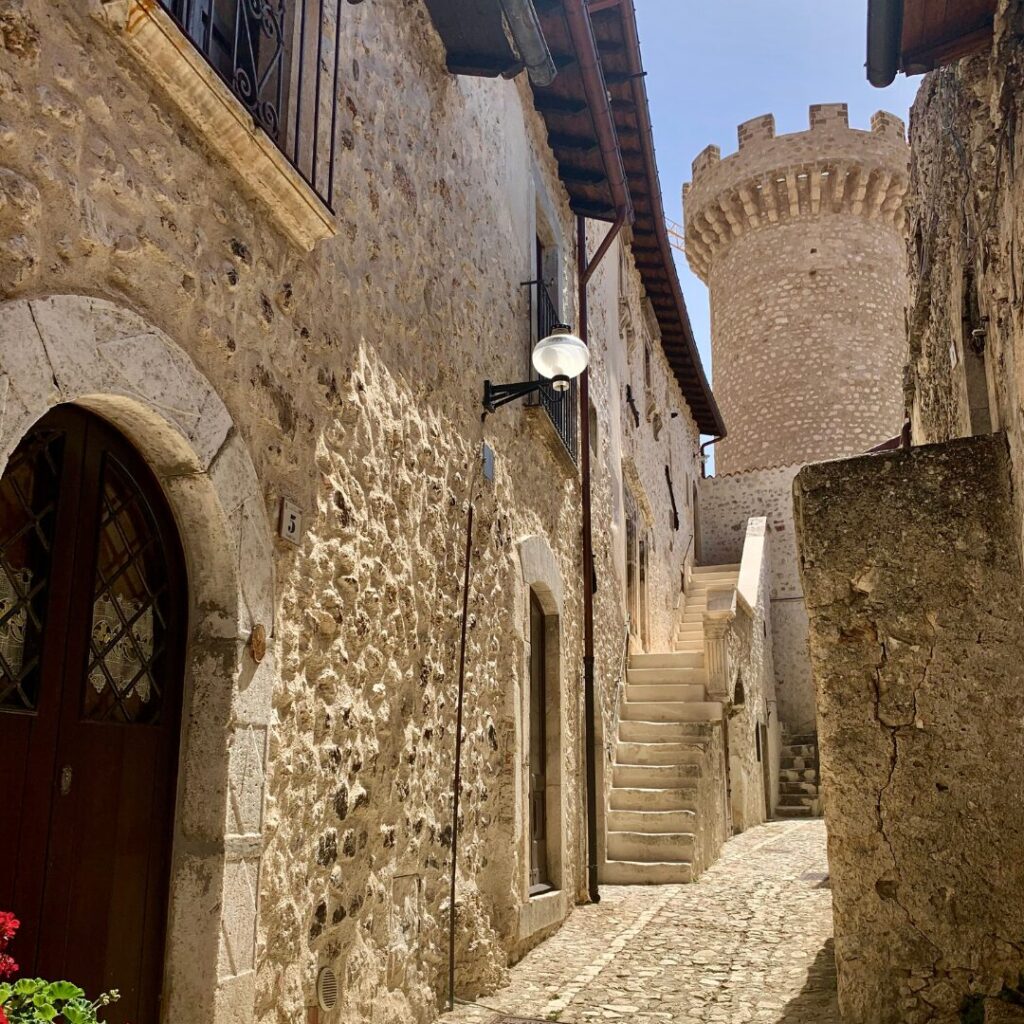
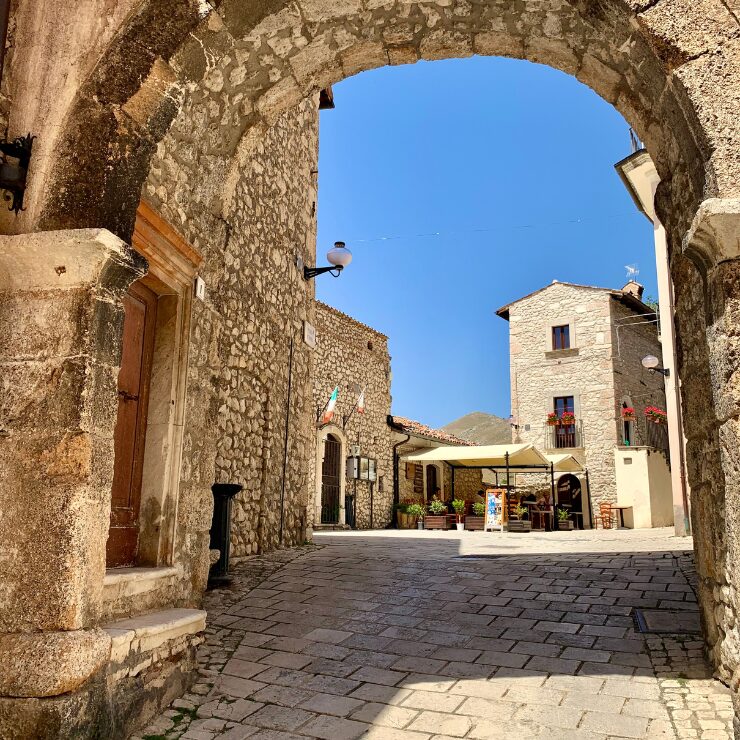
There are villages in Italy that feel like they’ve been paused. Santo Stefano di Sessanio is one of them.
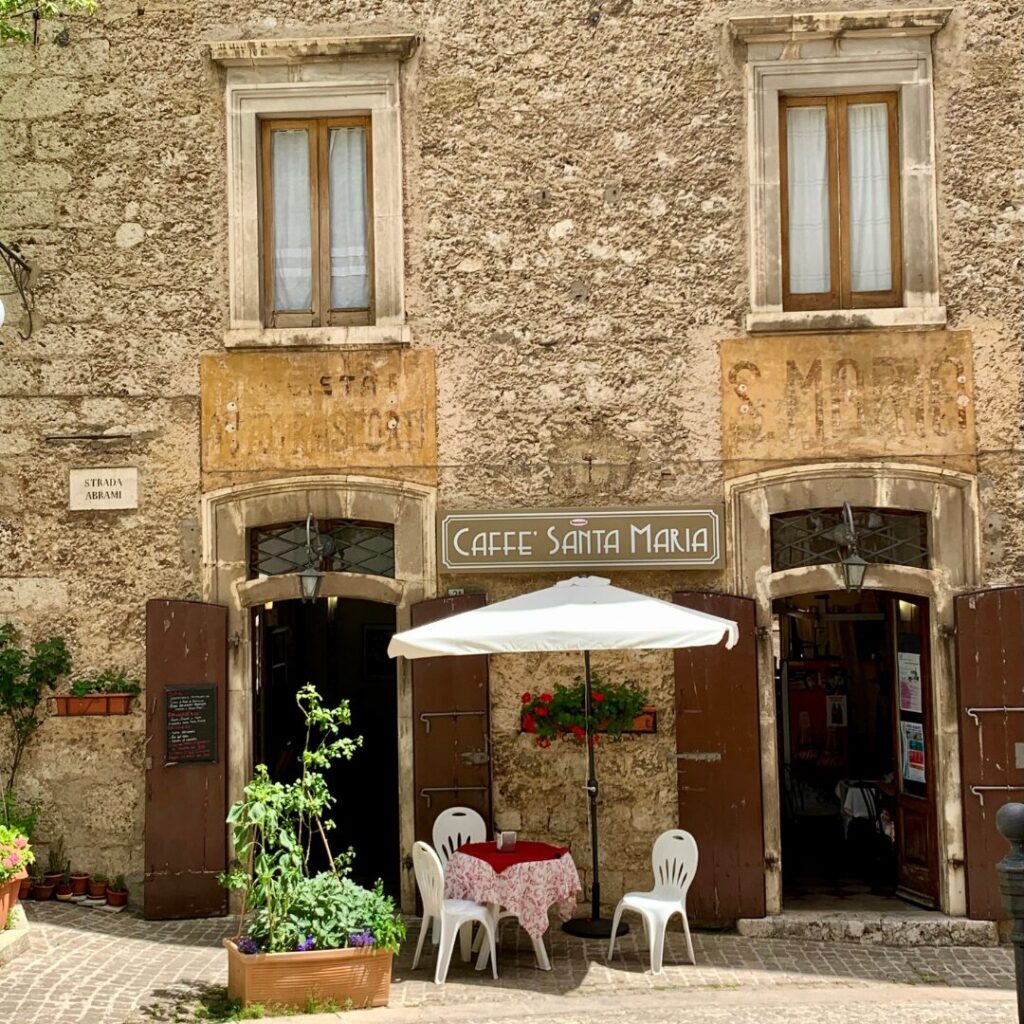
Perched at 1,250 metres above sea level within the Parco Nazionale del Gran Sasso e Monti della Laga, this medieval village was once almost completely abandoned. Today it’s been carefully restored and listed among Italy’s most beautiful villages, I Borghi più Belli d’Italia, but it hasn’t lost what makes it special: the quiet. The stone alleys, the unhurried pace, the sense that nothing here is trying to impress you.
I’ve been twice: once with my wife, once with my parents. Both times I felt the same thing. Like time had simply stopped, and for a few hours, I was allowed to stop with it. No itinerary required. Just walk, look, and let the village do what it does.
The 20-metre Torre Medicea offers panoramic views of the surrounding countryside, but honestly, the best thing to do in Santo Stefano is nothing in particular.
2. Campo Imperatore
If Santo Stefano teaches you to slow down, Campo Imperatore reminds you how small you are.
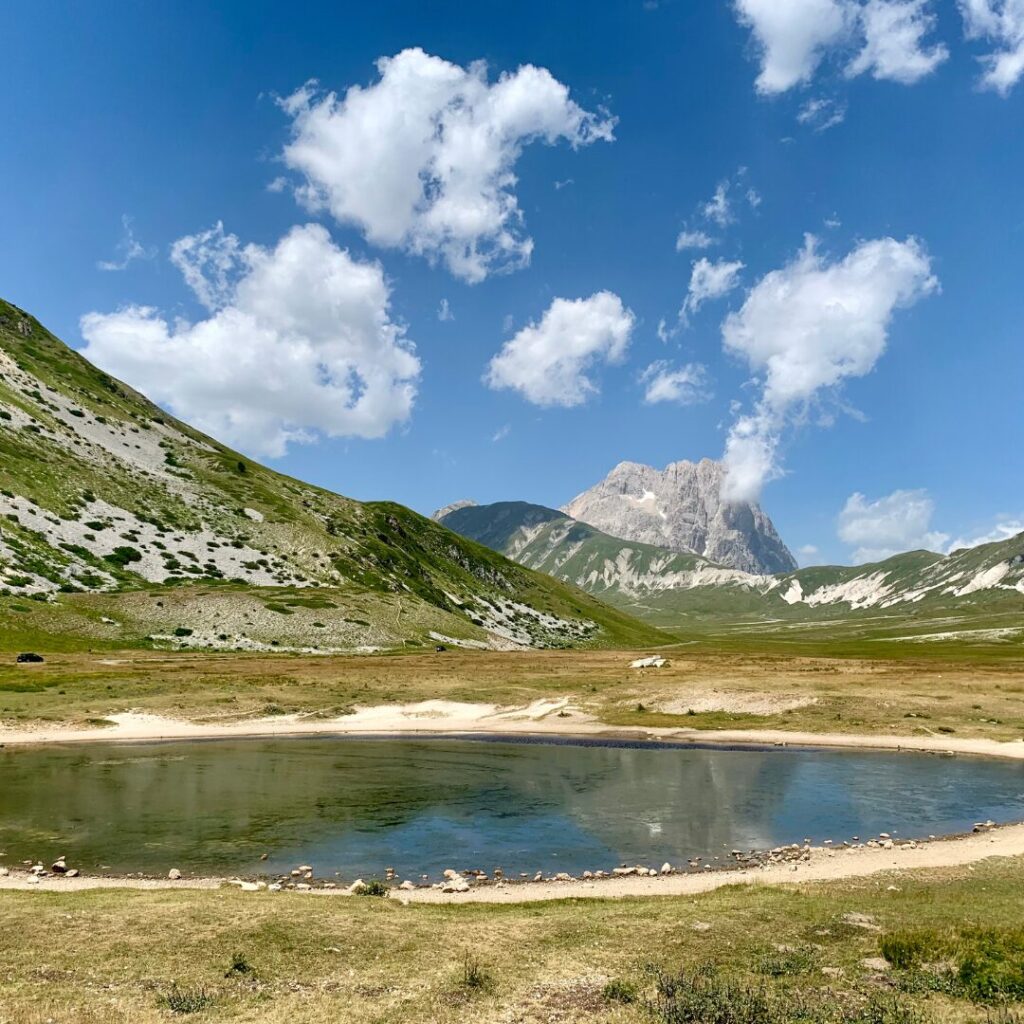
This vast plateau in the heart of the Gran Sasso National Park has been called Italy’s “Little Tibet”, and standing in the middle of it, you understand why. The landscape is otherworldly: open, silent, immense. And when you reach Lago di Pietranzoni, with the Corno Grande reflected in the water and the Gran Sasso massif rising behind it, something happens to you. It’s my happy place. The kind of landscape that recalibrates everything.
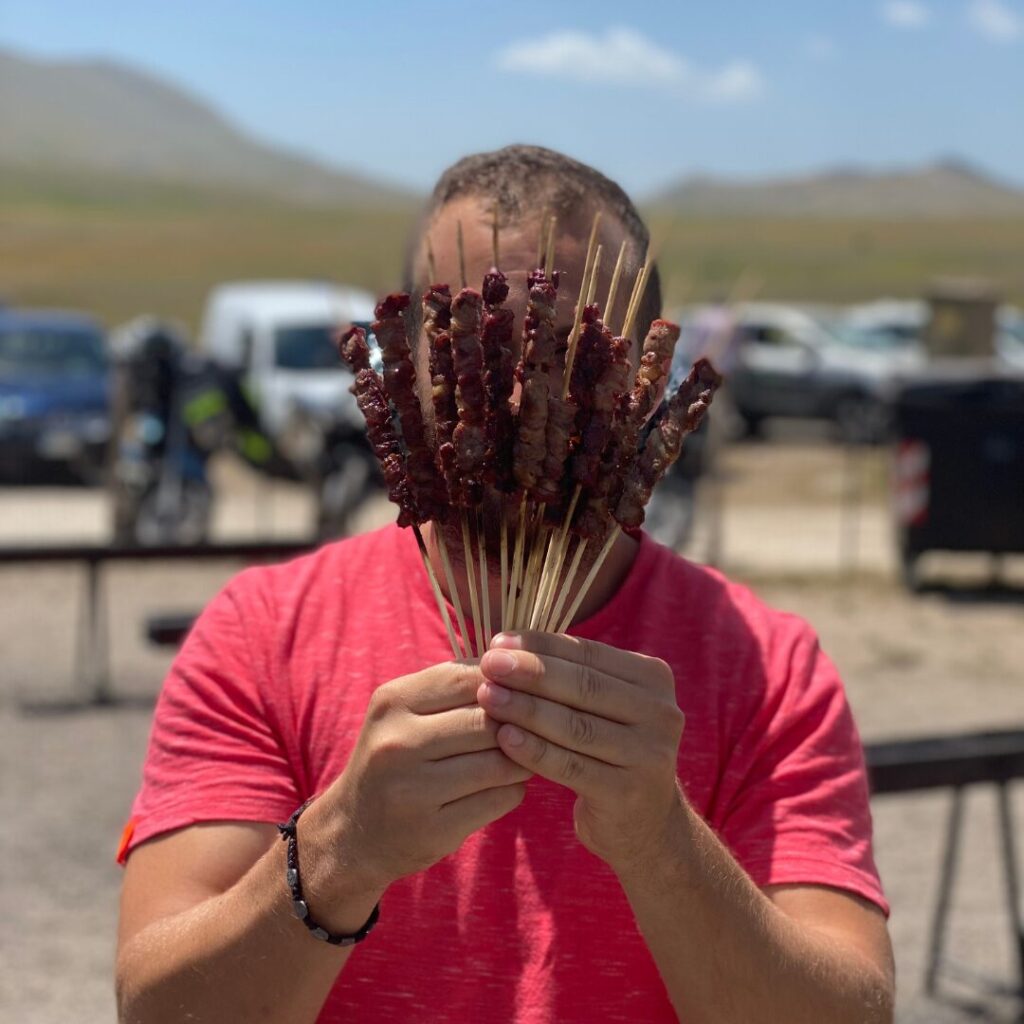
I’ve been with my best friend, and later with my parents and wife. On both occasions we stopped at Ristoro Il Mucciante, a local butcher shop on the plateau that serves some of the best arrosticini I’ve had anywhere in Abruzzo, eaten outside with a glass of Montepulciano d’Abruzzo in hand, the mountains watching over everything.
The plateau is also home to the Osservatorio Astronomico d’Abruzzo and the starting point for trails up to Corno Grande, the highest peak in the Apennines.
3. Rocca Calascio
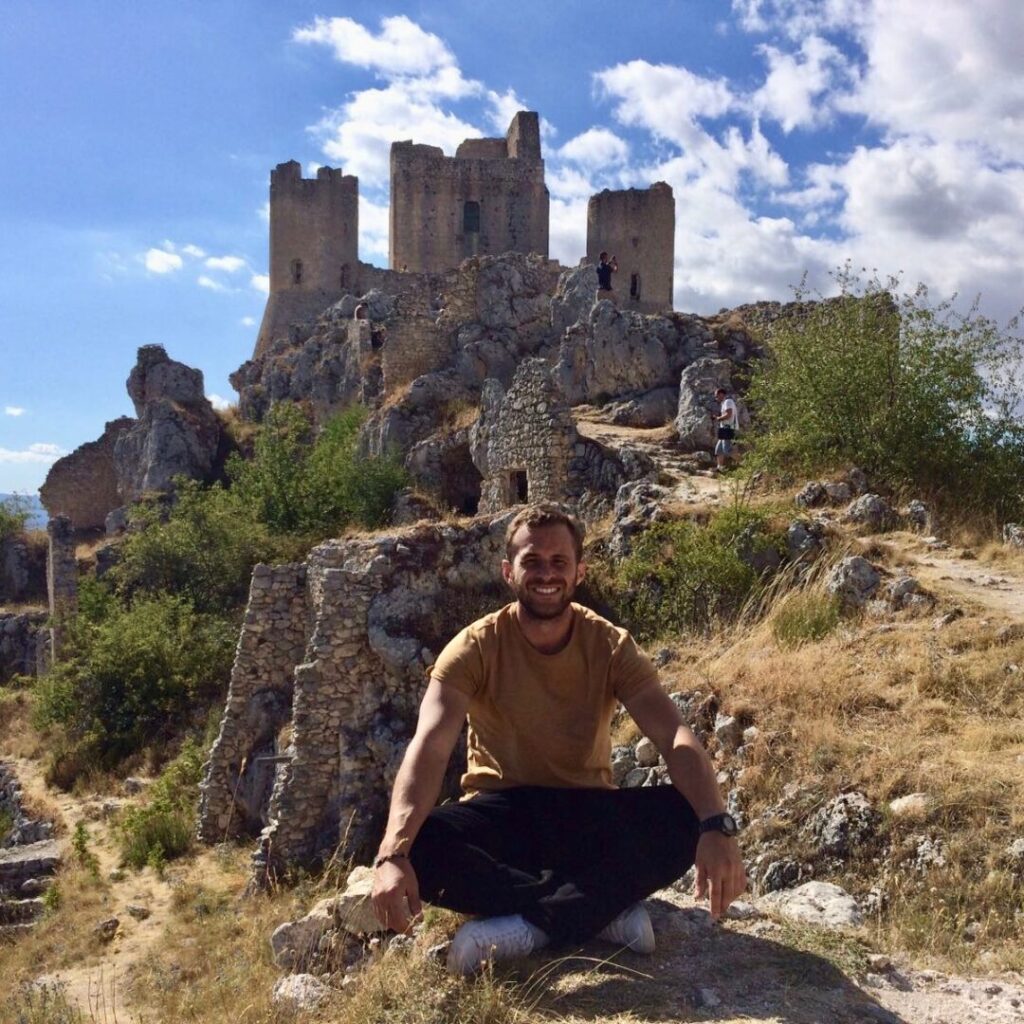
Just a short drive from Santo Stefano di Sessanio, Rocca Calascio sits at 1,460 metres, the highest castle in Italy. And every time I see it, I have the same thought: how did they build this up here?
Dating to the 10th century, the castle began as a watchtower protecting the sheep trade routes between Abruzzo and the surrounding regions. Today it’s one of the most iconic images in all of Abruzzo, appearing in films like Ladyhawke (1985) and The Name of the Rose (1986). National Geographic ranks it among the 15 most beautiful castles in the world.
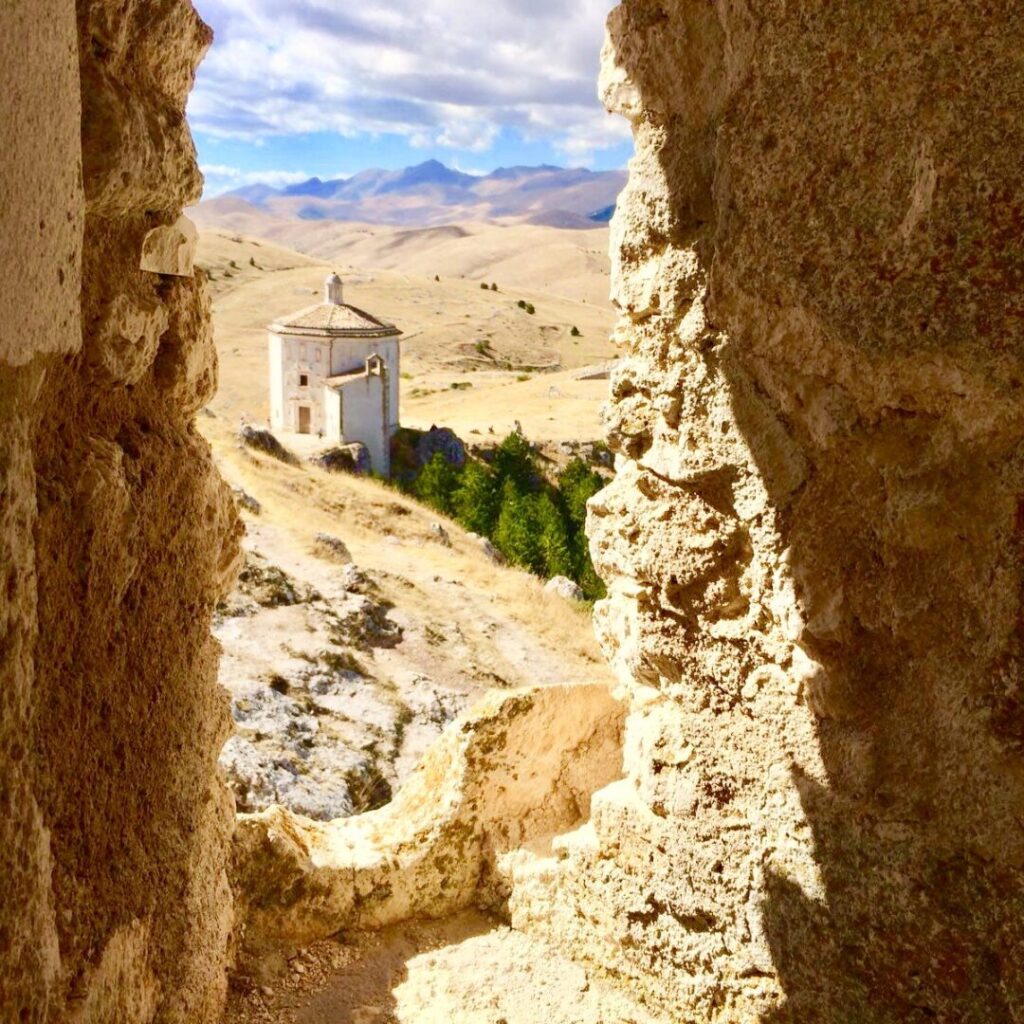
But what elevates Rocca Calascio beyond spectacle is the Santa Maria della Pietà, a 16th-century octagonal church that sits just below the fortress. Small, ancient, and completely alone on the hillside, it adds a spiritual dimension to the place that the castle alone wouldn’t have. Standing between the two, with the Abruzzo countryside stretching in every direction, is one of those moments you don’t forget.
4. Scanno
Scanno is beautiful in the way that some places just are, without trying.
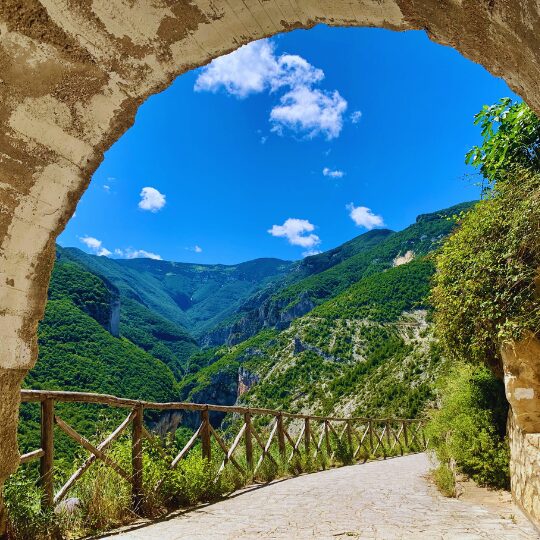
Nestled in the Sagittario Valley, even the drive to get there is worth it: spectacular valley views, a tunnel carved through rock, and just before you arrive, the San Domenico Lake with its ancient hermitage sitting quietly at the water’s edge.
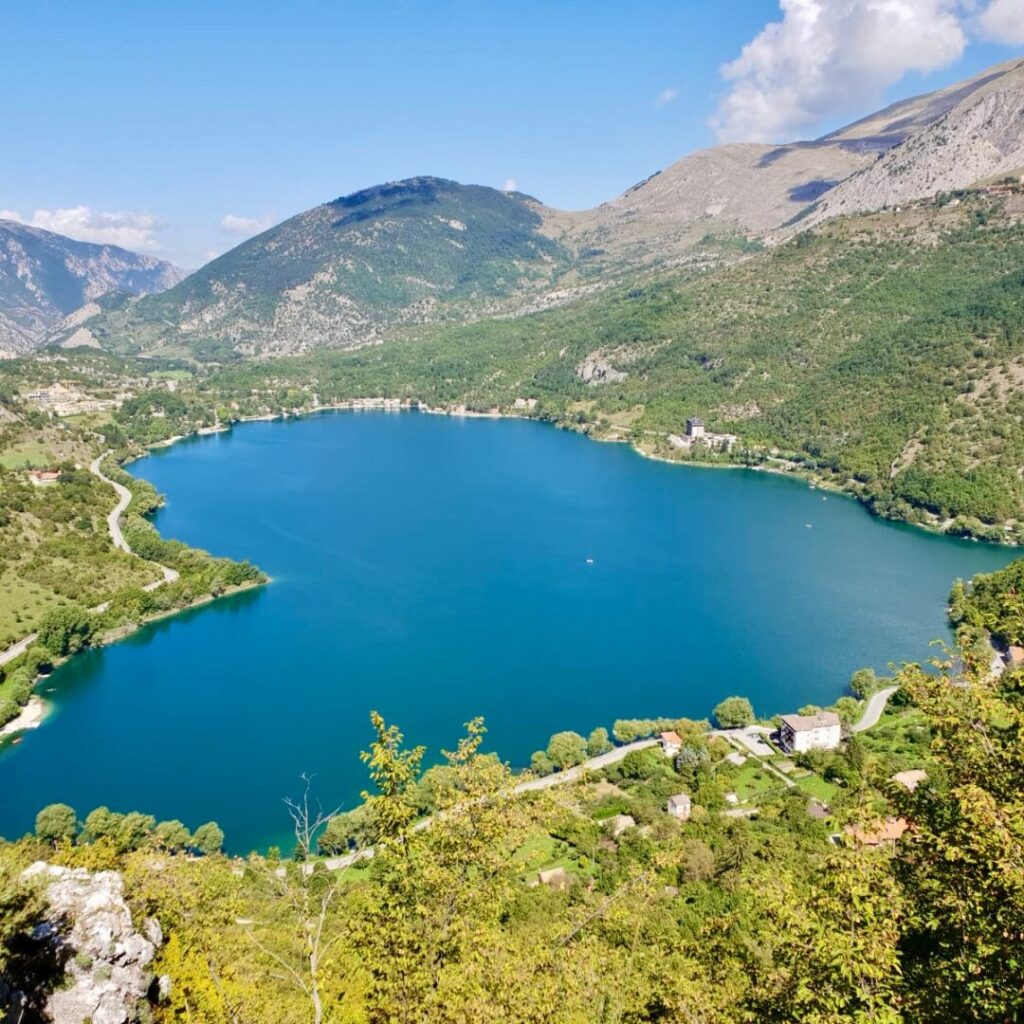
The village is famous for its heart-shaped lake, one of the true icons of Abruzzo and completely unmissable. The Sentiero del Cuore is an easy walk that leads to the viewpoint where the lake’s distinctive shape reveals itself in full, and along the way you pass the Eremo di Sant’Egidio, an ancient hermitage carved into the rock of the mountain. It’s one of those moments where the landscape and the spiritual history of Abruzzo come together in a way that stays with you.
Once down at the lake, don’t miss the Chiesa della Madonna del Lago. Small, quiet, and genuinely moving, part of its walls are formed by the bare rock of the mountain itself, as if the building grew naturally out of the hillside. It’s a place where you can sit, pray if you wish, and feel the particular peace that only very old places can offer.
But what I love most about Scanno is the village itself: the narrow streets, the stone buildings, the echo of the women’s traditional costumes that defined its identity for centuries. In the mid-20th century, photographers Henri Cartier-Bresson and Mario Giacomelli immortalised Scanno in black and white, and those images still feel true today. There’s something about this place that makes artists want to document it.
5. Riserva Naturale di Punta Aderci
Punta Aderci is where Abruzzo shows you everything it is, all at once.
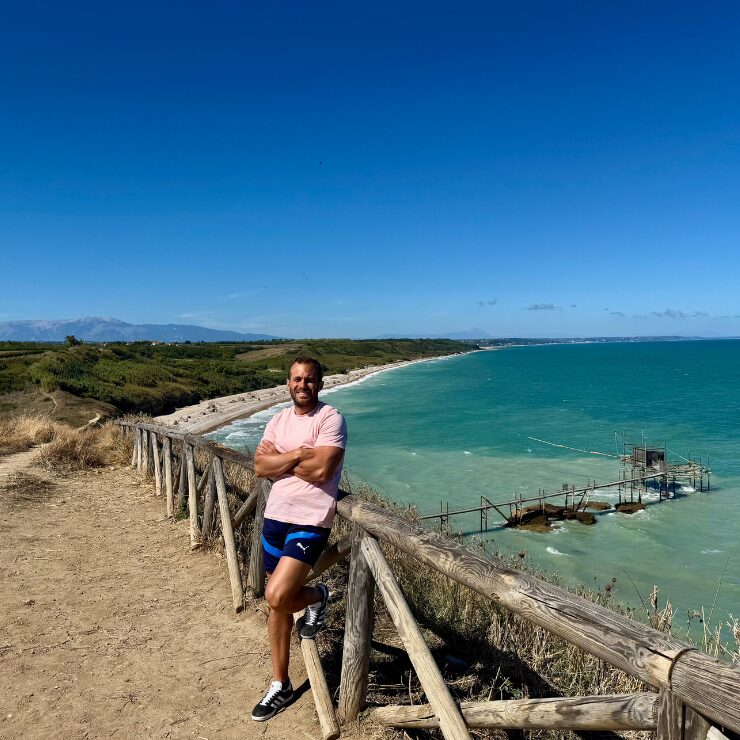
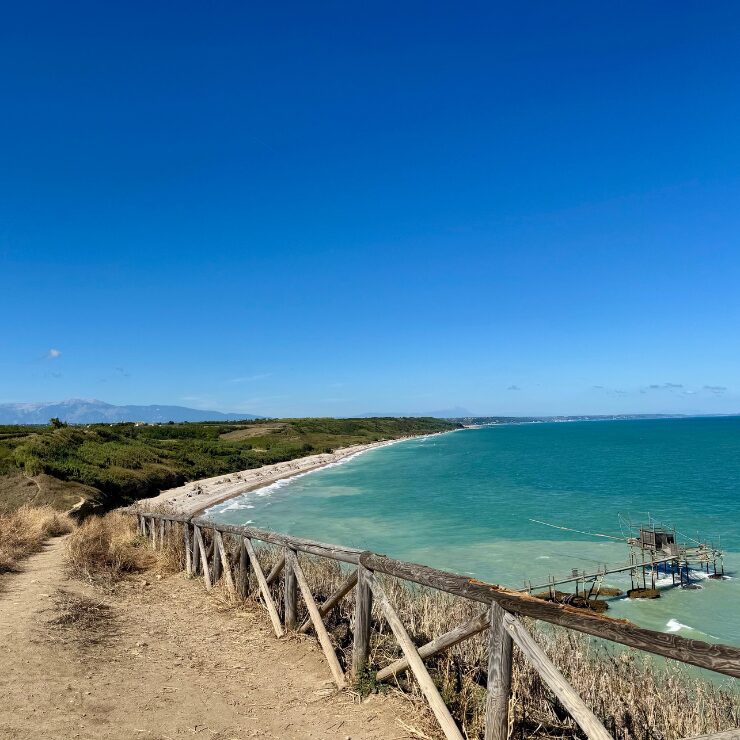
Standing in the water at Punta Aderci, with the Maiella to one side and the Gran Sasso to the other, both visible from the sea on a clear day, you understand what makes this region unlike anywhere else in Italy. Mountains and coast, wild and beautiful, in the same frame. It’s one of the few places I know where you can have that experience.
The reserve sits along the Costa dei Trabocchi between Vasto and the mouth of the Sinello river, with trails that cross dunes, cliffs, and untouched beach. The main beaches, Punta Penna and Spiaggia Libertini, are among the most beautiful on the entire Adriatic coast. And the trabocchi, those ancient wooden fishing platforms that line the shore, add a silhouette to the horizon that feels like it belongs to another century.
For more on Punta Aderci and the other beaches of Abruzzo, read our full guide: Best Beaches in Abruzzo.
6. La Maiella
Every list of places to visit in Abruzzo ends here. Or perhaps begins here.
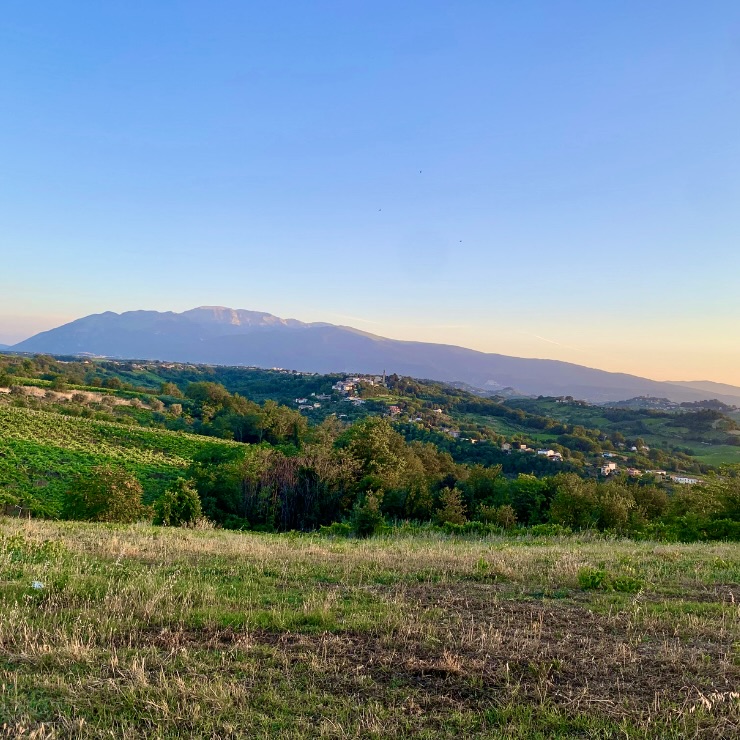
La Maiella is not just a mountain. It’s the emotional centre of the region, the place the Abruzzesi call la montagna madre, the mother mountain. A UNESCO Global Geopark since 2021, it encompasses 74,000 hectares of national park, medieval hermitages carved into cliff faces, ancient trails, ski slopes, and villages like Guardiagrele and Caramanico Terme.
But what I want to say about La Maiella is simpler than statistics. When things are difficult, when I need to clear my head or find some comfort, the mother mountain is always there. That’s not a metaphor. It’s just true.
For the complete guide to La Maiella, including the legend of the goddess Maja, the best trails, and the places we keep going back to, read: Is La Maiella Worth Visiting?
FAQ
What are the best places to visit in Abruzzo?
Six places stand out for first-time visitors: Santo Stefano di Sessanio, Campo Imperatore, Rocca Calascio, Scanno, the Punta Aderci Nature Reserve, and La Maiella National Park. Together they cover the full range of what Abruzzo offers: medieval villages, dramatic mountain landscapes, ancient castles, and one of the most unspoiled coastlines in Italy.
Is Abruzzo worth visiting for first-time travellers to Italy?
Absolutely. Abruzzo offers everything that makes Italy special: history, food, landscape, authentic culture, without the crowds of more famous regions. It’s one of the few places in Europe where you can ski in the morning and swim in the afternoon, and where the food and wine traditions are genuinely world class.
How many days do you need to visit Abruzzo?
A minimum of four to five days allows you to cover the main highlights, but Abruzzo rewards longer stays. The region divides naturally into the coast, the inland hills, and the mountain areas, each of which deserves at least a full day. A week is ideal for a first visit.
Practical Information
Best base for the coast: Pescara or Vasto
Best base for the mountains: L’Aquila or Sulmona
Best base for the hills: Chieti or Lanciano
Nearest airports: Pescara (central), Rome Fiumicino (2 hrs by car)
Getting around: A car is essential for exploring Abruzzo properly
Best time to visit: May to June and September to October for the best balance of weather and fewer crowds